|
Getting your Trinity Audio player ready...
|
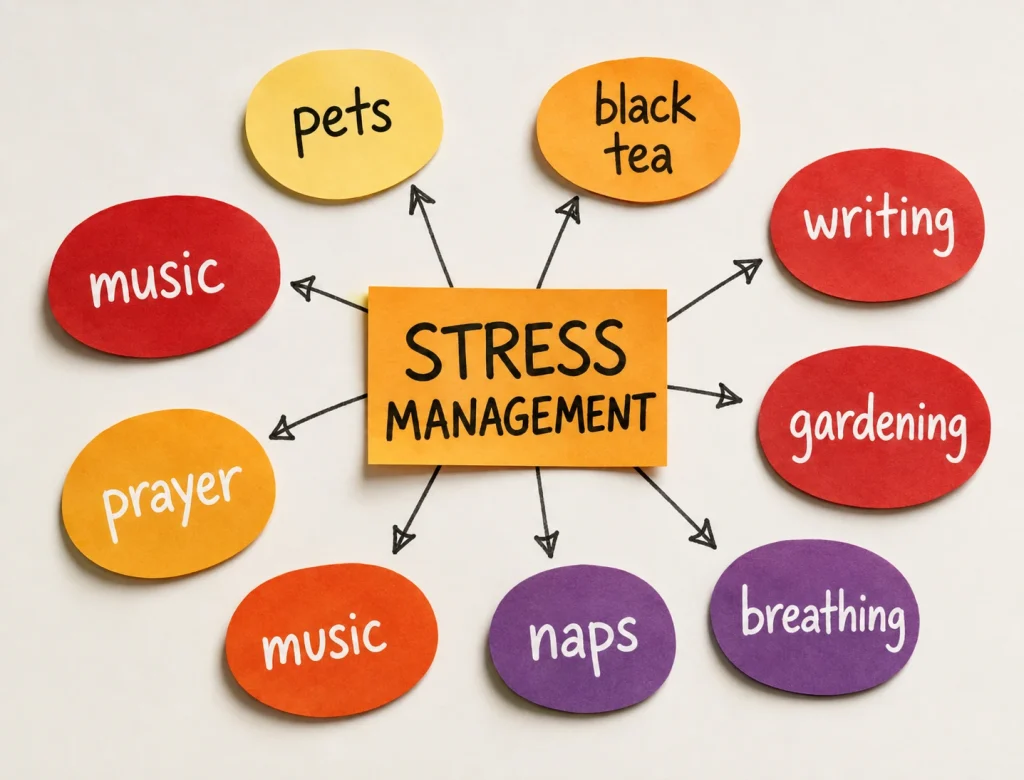
Stress is a part of daily life and common, everyday tension can take a toll on both your physical and mental health. With more than half of Americans concerned about the high levels of stress they experience in their daily lives, high anxiety is practically an epidemic in this country. While it’s a fact that frayed nerves are often the price you pay for an overactive lifestyle, that doesn’t mean you can’t diffuse the impact. In fact, odds are your daily routine includes everyday activities that have been proven to lessen the stress factor. From petting your dog to writing in your diary, the following tips reveal simple and deliberate actions you can practice to de-stress without reaching for a pill.
If you drink coffee in the morning, a double blind study by University College of London might convince you to switch to black tea. According to the study, drinking daily cups of the tea has a positive effect on stress hormone levels, which can help a person recover more quickly from everyday stresses.
The research, published in the journal Psychopharmacology, revealed found that people who drank black tea were able to de-stress more quickly than those who drank a placebo tea. Moreover, the participants (who drank black tea four times a day for six weeks) displayed lower levels of the stress hormone cortisol after experiencing a stressful event, as compared to a control group who drank the placebo tea for the same period of time.
Exercise is a proven method of lowering stress levels, and many people make a workout part of their daily routine. And there’s good news for those who don’t go to a gym on a regular basis. Research reveals a daily 20 minute walk can be as effective as a mild tranquilizer.
It’s no surprise pets play an important role in reducing stress. What is surprising is a research shows pets may be better at reducing stress than a loved one! According to reports, including a study a report published in the journal Psychosomatic Medicine, researchers examined the effects of the presence of friends, spouses and pets on the level of stress associated with certain relatively unpleasant tasks. They found that compared with human support, the presence of pets was associated with lower perceived and actual responses to stress. Pet on!
Even if you’re not artistically inclined, dabbling in some form of creative art each day can boost your stress relieving hormones. In fact, more and more colleges are offering classes in Art Therapy, utilizing the simple act of drawing and creating art to relieve stress in two ways. First, creating artwork requires focus, and takes your mind off stress causing issues. When the project is done, your head is clearer (and less tense). Also, while creating art, you are engaged in the action to the point of being in a near meditative state. This results in many of the benefits of meditation and you may feel less stressed when you are done.
Gardening is another pastime that has been linked to lower blood pressure and reduced anxiety. An estimated 40% of Americans find that being in the presence of a garden makes them feel relaxed and calm. Retreating to a garden can renew energy, create a sense of peace, and restore well-being. The benefits of gardening, both physically and emotionally, are well-documented. Whether planning, planting, tending, or harvesting, many gardeners describe feeling this emotional “high”, which promotes well-being and relieves stress symptoms. Like meditation and relaxation programs, gardening involves both physical movement and mental concentration, a combination that has been attributed to numerous health benefits. Today, a variety of garden programs are used as Horticultural Therapy to promote health and wellness.
It is well known that writing in a journal is therapeutic and jotting down your feelings both good and bad, can also help relieve stress. But did you know regular journaling strengthens immune cells, called T-lymphocytes? University of Texas at Austin psychologist and researcher James Pennebaker contends that writing about stressful events helps you come to terms with them, thus reducing the impact of these stressors on your physical health.
To boost the stress relieving effect, be sure to “count your blessings” and list them, as keeping a gratitude journal has been proven to be a powerful calming aid. On the other hand, it is also beneficial to write out your feelings and negative emotions. According to Psych Central, journaling about anger, sadness and other painful emotions helps to release the intensity of these feelings. By doing so you will feel calmer and better able to stay in the present.
Here are some more stress busters
It’s a known fact that color can alter our moods. “Cool” colors like violet, purple and green can soothe jittery nerves. Blue has shown to be the most calming color influence of all.
A quick gargle of water can relieve stress quickly. Gargling water for about 30 seconds stimulates the Vagus Nerve, which calms the nervous system.
Prayer helps you focus within and can offer a calm perspective on the world. A research study showed that that college students who practiced a religion were less stressed than their non-religious counterparts. Other research suggests that those who are religious are less likely to have a stress-related mental illness.
Listening to music can change our moods, and in fact, music can be a powerful weapon in the battle with stress and anxiety.
Taking a deep breath and stretching often not only brings instant relief to a stressed, frazzled body, but it has been shown to lower cortisol levels, which can help reduce stress and anxiety. Deep breathing can also cause a temporary drop in blood pressure.
Naps are also therapeutic for diffusing stress. A study found that workers who nap for at least 45 minutes during the day had lower average blood pressure after suffering psychological stress compared to those who did not.
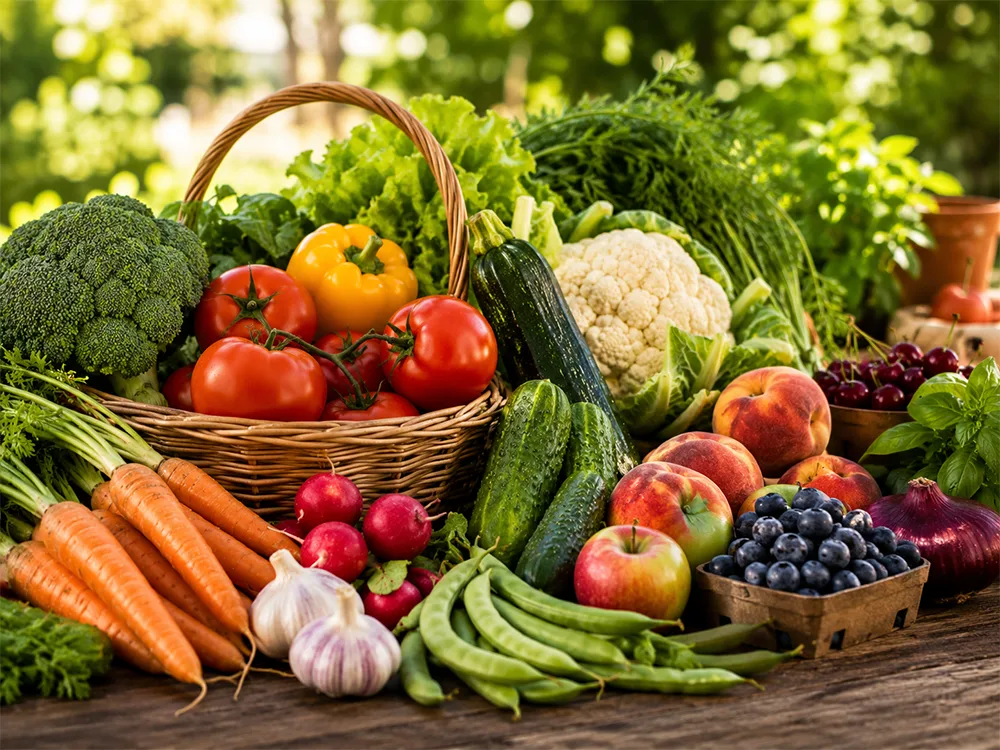
According the Calm Clinic, whole grain snacks, seaweed, blueberries, peaches, almonds, and dark chocolate are all good food choices with natural calming properties. Also, foods with magnesium, vitamin B12 (and other B vitamins), zinc, and antioxidants can be beneficial for helping you deal with stress.
Win Dinner for Two
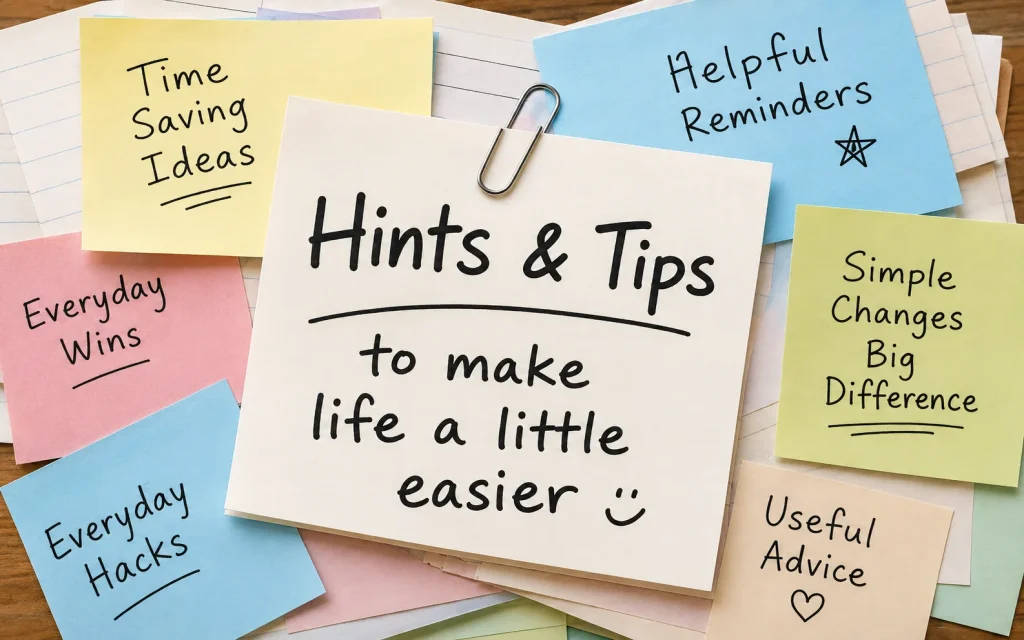
Your tips can win you a great dinner for two at the historic Publick House Historic Inn in Sturbridge! Simply send in a hint to be entered into a random drawing. One winner per month will win a fabulous three course dinner for two at the renowned restaurant, located on Route 131 across the town common in historic Sturbridge. Because I’m in the business of dispensing tips, not inventing them (although I can take credit for some), I’m counting on you readers out there to share your best helpful hints!
Do you have a helpful hint or handy tip that has worked for you? Do you have a question regarding household or garden matters? If so, why not share them with readers of the Spencer Journal? Send questions and/or hints to KDRR@aol.com. Hints are entered into a drawing for dinner for two at the historic Publick House Inn.