|
Getting your Trinity Audio player ready...
|
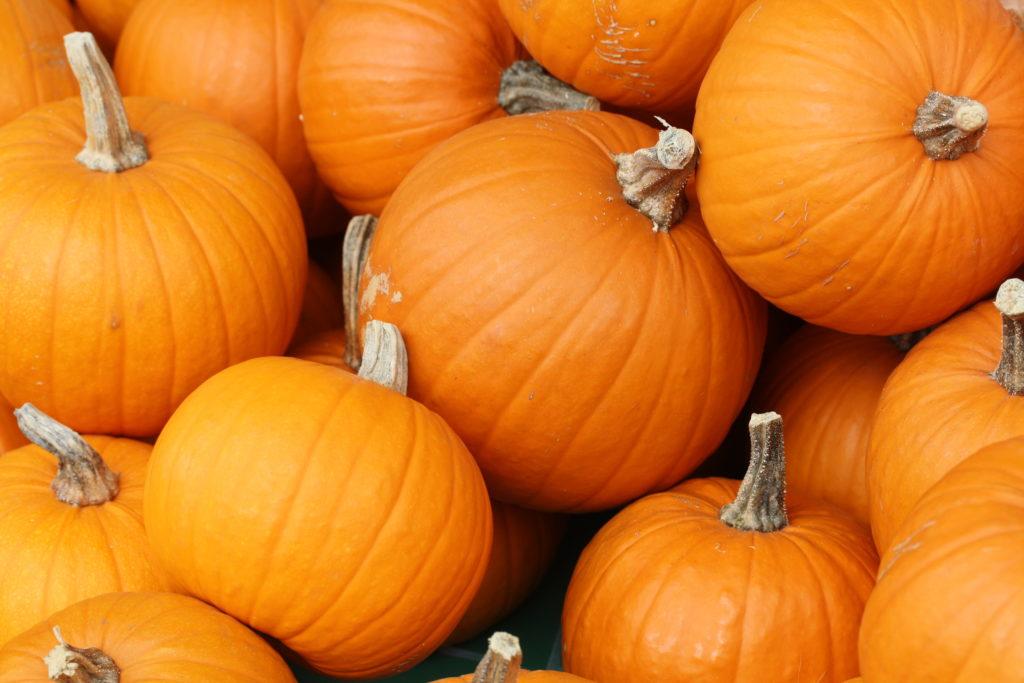
A New England autumn is celebrated by fields dotted with orange pumpkins ripening on the vine, flickering Jack-O-Lanterns lighting the way for a parade of little ghosts and goblins, and simmering pots of thick pumpkin soup. The humble pumpkin is rich in both nutrition and heritage. Native Americans and early settlers hailed pumpkin as a valuable food source and revered the seeds for their medicinal properties, and in modern times an artful hand transforms the plumpest pumpkins into Halloween Jack-O-Lanterns. Thus, it should come as no surprise that the historic harvest vegetable continues to serve as a highly anticipated autumn treat.
Pumpkins’ past
The name “pumpkin” is an English term which dates from the 1500s. It is derived from the Greek “pepon,” meaning large melon.
Pumpkins, which are related to cucumbers, melons, squash and gourds, have a past peppered with historical importance. It is documented that pumpkin seeds discovered in Mexico date back to 5500 BC. After discovering America, Christopher Columbus brought pumpkin seeds with him to Europe.
Native Americans revered the pumpkin as a valuable source of food to carry them through the long, cold winters, teaching early English settlers how to grow and prepare pumpkins, which became an important seasonal mainstay of the pioneer diet.
The Pilgrims utilized every part of the pumpkin, roasting the flesh, drying the seeds, making flour from dried pumpkin, and even weaving floor mats out of pumpkin skins, a method learned from the Native Americans.
In New England, colonists made the first crustless pumpkin pies by cutting the top of the pumpkin, removing the seeds and filling it with apples, milk, sugar and spices and baking it whole.
The importance of pumpkins in the settlers’ diet was documented in 1654 in the “Wonder Working Providence of Sion’s Saviour in New England,” when author Edward Johnson wrote the pumpkin was “a fruit which the Lord fed his people with till corn and cattle increased.”
Preparing pumpkin
Freezing cooked, pureed pumpkin is a favored way to preserve the taste and texture of pumpkin. Sugar or pie pumpkins are ideal candidates for freezing as the pulp is thicker and firmer.
To prepare a pumpkin for pureeing, wash the outside thoroughly, cut it into large sections and remove the strings and seeds. Cook the pumpkin by steaming, boiling or roasting until the flesh is tender. Remove the skin, then mash or process the pumpkin pulp until it forms a smooth, thick puree. Cool the puree promptly before packaging it in freezer-safe containers, leaving room for expansion, and freezing.
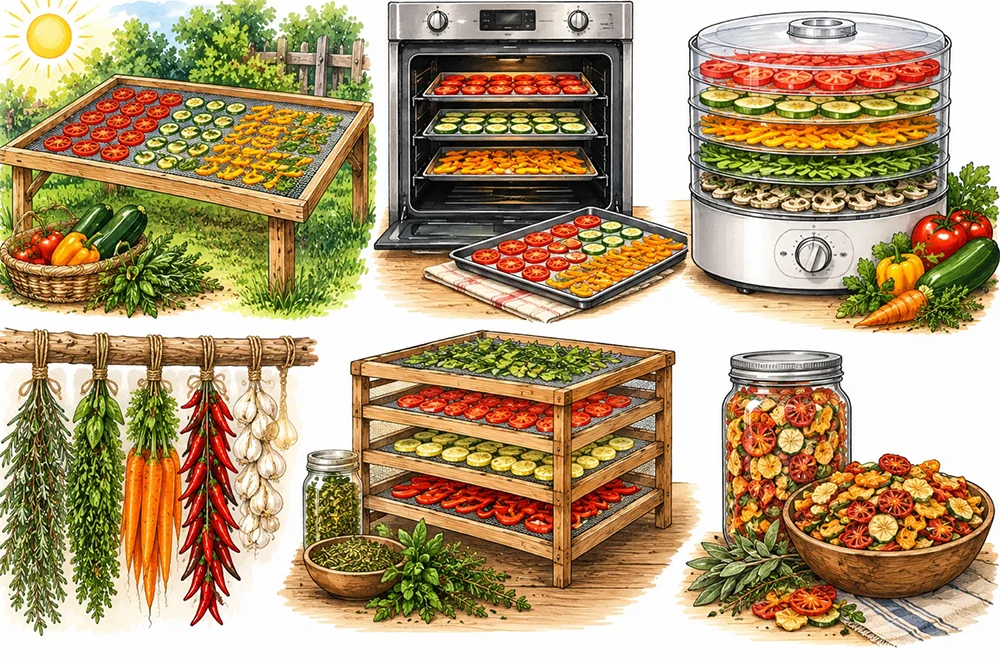
Pumpkin can also be dried, which was a favored preservation method of the colonists. Today, a food dehydrator or an oven with a low-temperature setting offers a safer and more reliable way to preserve pumpkin.
To prepare pumpkin for drying, remove the skin and seeds and cut the flesh into strips about ¼ inch thick. Steam the pieces for two to three minutes, until tender but not mushy. Place them in a food dehydrator at 140 degrees for two to three hours, then reduce the temperature to 130 degrees and continue drying until the pieces are brittle. Store the dried pumpkin in airtight containers to protect it from moisture.
Dried pumpkin can also be ground into a flour using a food processor. Pumpkin flour can add flavor and nutrition to recipes, although it may need to be combined with traditional flour for best results.
Pumpkin seeds
As if the plump, orange pumpkin wasn’t enough of a delight, the inside of the cut fruit reveals a bounty of seeds, ripe for toasting and tasting. Many Halloween traditions include gathering the seeds from a carved Jack-O-Lantern to toast in a warm oven. The snack is both healthy and delicious, and the addition of spices gives the humble treat a flavorful punch.
To properly toast pumpkin seeds, remove all pulp and strings from the seeds and rinse thoroughly. Pat the seeds dry, then place them in a bowl and stir in melted butter or olive oil and salt to coat. Spread seeds on a cookie sheet and bake in a 275-degree oven for about an hour or until the seeds are golden brown and crisp. Avoid overcooking, as seeds can become hard and tough.
Pumpkin seeds are also a nutritious addition to salads, breads and other dishes. Rich in protein, magnesium, zinc and iron, they offer a healthy way to enjoy another part of the autumn harvest.
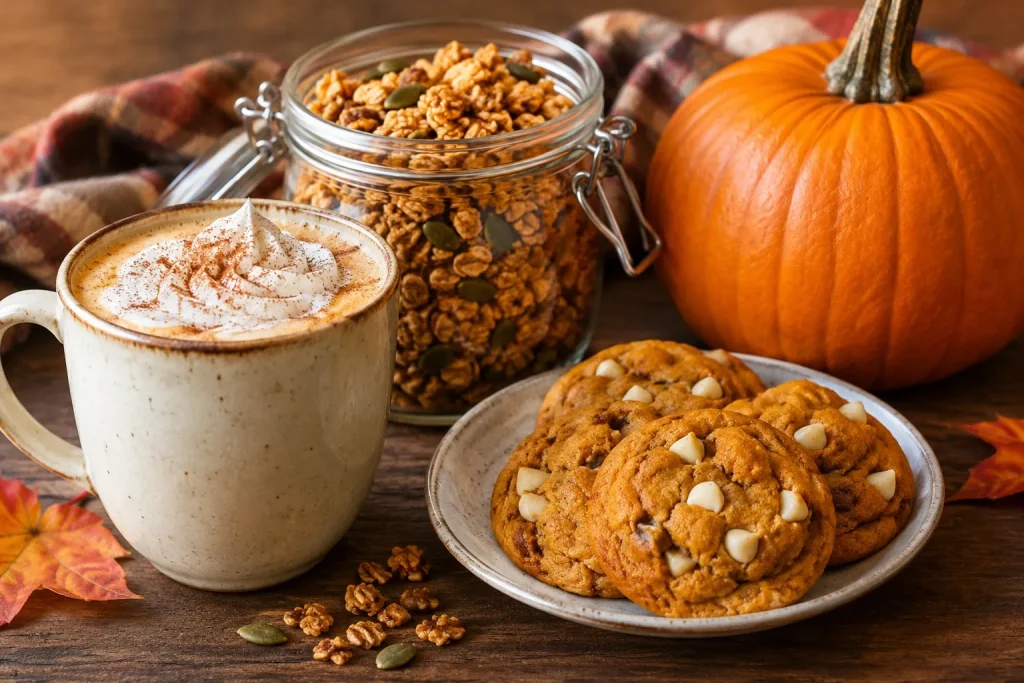
For a flavorful addition to salads or soups, try roasting shelled pumpkin seeds with a little olive oil and your favorite seasonings. The toasted seeds add a satisfying crunch and can also be sprinkled over oatmeal, yogurt or baked goods.
Pumpkin fun facts
- Pumpkins were once recommended for removing freckles and curing snake bites.
- Pumpkin flowers are edible.
- Pumpkins are approximately 90% water.
- Native Americans used pumpkin seeds for food and medicine.
- In early colonial times, pumpkins were used as an ingredient for the crust of pies, not just the filling.
- Pumpkins have been grown in North America for thousands of years. They are indigenous to the Western Hemisphere.
- In 1584, after French explorer Jacques Cartier explored the St. Lawrence region of North America, he reported finding “gros melons.” The name was translated into English as “pompions,” which has since evolved into the modern “pumpkin.”
- Pumpkins are low in calories, fat and sodium and high in fiber. They are a good source of vitamin A and potassium and also provide other vitamins and minerals.
- In New England, pumpkin seeds are typically planted between the last week of May and the middle of June. They take approximately 90 to 120 days to grow, depending on the variety, and are harvested when mature. Their seeds can be saved to grow new pumpkins the following year.